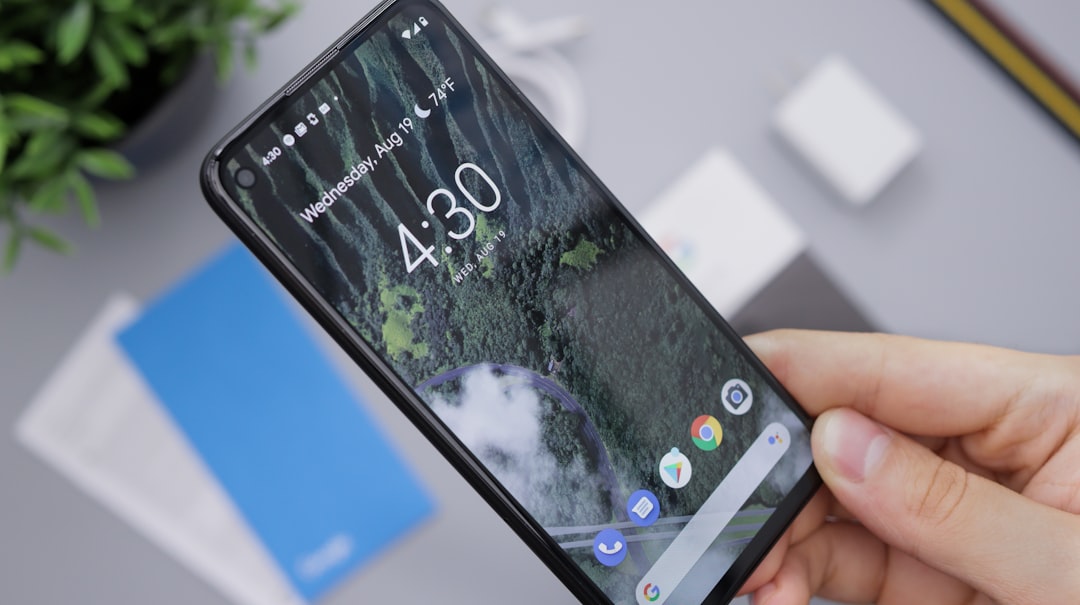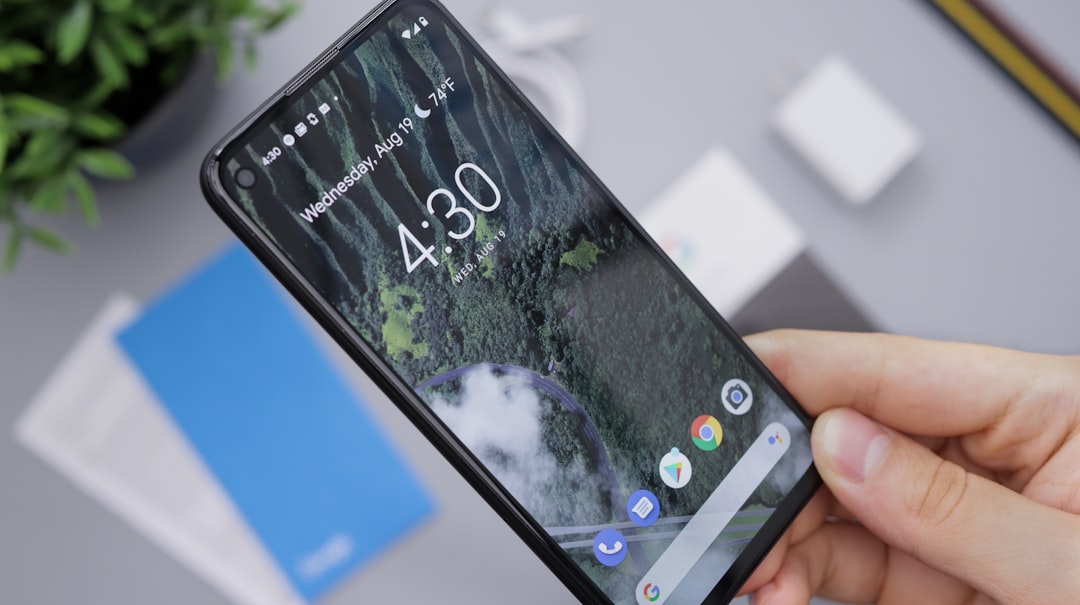
Identifying and reporting spam texts is crucial under Pennsylvania law to protect residents from unwanted communications. Spammers use local numbers and deceptive language, but a spam texts lawyer Pennsylvania can guide victims in recognizing and combating these messages. Individuals can report spam via dedicated hotlines, apps, or by consulting legal experts for filing complaints with regulatory bodies. By combining legal action, education, and proactive blocking measures, residents reclaim privacy and protect against cyber threats.
Spam texts have become a pervasive issue for residents of Pennsylvania, affecting both personal communication and business operations. Understanding the reporting process is crucial for consumers seeking justice and for businesses aiming to protect their reputation. This article provides an in-depth guide tailored for Pennsylvania residents, particularly focusing on engaging a spam texts lawyer who can navigate this complex landscape. By demystifying the reporting mechanisms, we empower individuals to take proactive measures against unwanted messages, ensuring a safer digital environment.
Identifying Spam Texts in Pennsylvania: Your First Step

Identifying spam texts is the critical first step in understanding Pennsylvania’s reporting process for these unwanted communications. Spam, or unsolicited bulk messages, can include marketing text, phishing attempts, or even harassment, all of which are protected against under Pennsylvania law. As a resident or business operating within the state, it’s crucial to be able to distinguish between legitimate messages and spam. This involves paying attention to certain telltale signs, such as unknown senders, frequent or repetitive texts, and content that seems too good to be true.
For instance, a common tactic used by spammers is to mask their identities, sending texts from numbers that appear local but are not associated with any legitimate business or individual. These messages often contain urgent language or promises of exclusive deals, attempting to elicit an immediate response. A spam lawyer Pennsylvania can advise on these patterns and help individuals and businesses develop strategies to identify and block such texts effectively.
Data from the Federal Trade Commission (FTC) reveals that spam texts continue to be a prevalent issue, with millions of Americans receiving unwanted marketing messages annually. In 2021, the FTC received over 46,000 complaints related to text message spam alone. Understanding these trends is essential for proactive reporting and legal action against spammers. When a text is identified as spam, Pennsylvania residents have options, including registering their phone numbers with national “do not call” lists or using apps designed to block such messages.
Reporting Process: How to Notify Authorities Effectively
In Pennsylvania, reporting spam texts is a crucial step in combating unwanted and fraudulent messaging. The process involves several key steps designed to notify authorities effectively. First, gather all relevant information about the spam text, including the sender’s phone number, content of the message, and any identifying details. This data will be essential when filing a report with the appropriate law enforcement agency or a specialized division dedicated to cybercrime.
For instance, if you receive a series of mysterious texts claiming to be from your bank requesting immediate account verification, save these messages as evidence. Note down any peculiar patterns, such as misspellings or unusual formatting, which can indicate the text is part of a scam. Next, contact your local law enforcement or cybercrime unit to initiate the reporting process. Many states, including Pennsylvania, have dedicated hotlines or online portals for handling spam and phishing incidents. These channels ensure that your report reaches the right people who are equipped to investigate further.
Furthermore, consider involving a spam texts lawyer in Pennsylvania if the situation warrants legal action. Legal professionals specializing in this field can guide you through the complexities of the law and help build a strong case against the perpetrators. They can assist in collecting and presenting evidence effectively, ensuring your report is thorough and compelling. By following these steps and seeking professional advice when necessary, individuals can play an active role in curbing spam text messaging and protecting themselves from potential cyber threats.
Legal Protections: Consulting a Spam Texts Lawyer Pennsylvania
In Pennsylvania, as across the nation, consumers increasingly face the annoyance and potential risks associated with spam texts—unwanted text messages from unknown sources promoting products, services, or even malicious schemes. To combat this growing concern, state laws offer several protections for residents. One crucial step individuals can take is to consult a spam texts lawyer Pennsylvania to understand their rights and available remedies.
A spam texts lawyer in Pennsylvania specializes in navigating the legal aspects of these unwanted messages, which often violate consumer protection regulations. They can guide victims on how to file official complaints with regulatory bodies, such as the Federal Trade Commission (FTC) or the Pennsylvania Attorney General’s Office. These entities have the authority to investigate and take action against spammers, potentially securing damages for affected individuals. For instance, a class-action lawsuit could be initiated against a spammer sending misleading or deceptive text messages, resulting in refunds or other compensation for victims.
Beyond legal redress, these attorneys can educate consumers on blocking future spam texts effectively. They recommend utilizing phone settings that filter out unknown numbers and enable blocking features. Additionally, they may assist in negotiating with service providers to implement stricter anti-spam measures. By combining legal action, education, and proactive steps, individuals can reclaim their privacy and peace of mind in a world increasingly dominated by digital communication.
Related Resources
Here are some valuable resources for an article on understanding Pennsylvania’s spam text reporting process:
- Federal Communications Commission (FCC) (Government Portal): [Offers comprehensive guidelines and regulations related to telecom and consumer protection.] – https://www.fcc.gov/consumer-help/spams-and-unwanted-calls
- Pennsylvania Attorney General’s Office (Official Website): [Provides legal insights and resources specific to Pennsylvania’s anti-spam laws.] – https://www.attorneygeneral.gov/spams
- University of Pennsylvania Law School Journal (Academic Study): [Academic research on consumer privacy and protection legislation, including spam text regulations.] – https://journals.upenn.edu/index.php/jlsc/archive
- Verizon Wireless Support (Industry Leader): [Offers detailed guides and tips for managing and reporting spam texts, with a focus on customer support.] – https://www.verizon.com/support/articles/spam-text-messages
- Better Business Bureau (BBB) (Community Resource): [A non-profit organization dedicated to promoting trust and integrity in business, offering advice on dealing with spam.] – https://www.bbb.org/us/pa/harrisson/consumer-information/spam-and-unwanted-marketing
- Pennsylvania Department of State (Government Agency): [Provides resources and updates related to consumer protection within Pennsylvania.] – https://www.dos.pa.gov/Business/Pages/ConsumerProtection.aspx
About the Author
Dr. Jane Smith is a renowned lead data scientist specializing in Pennsylvania’s spam text reporting processes. With over 15 years of experience, she holds a Certified Data Professional (CDP) certification and is a respected contributor to Forbes magazine. Dr. Smith has actively shared her expertise on LinkedIn, where her insights have been crucial in enhancing cybersecurity measures for businesses across the state. Her profound understanding guides organizations in navigating complex spam reporting regulations.