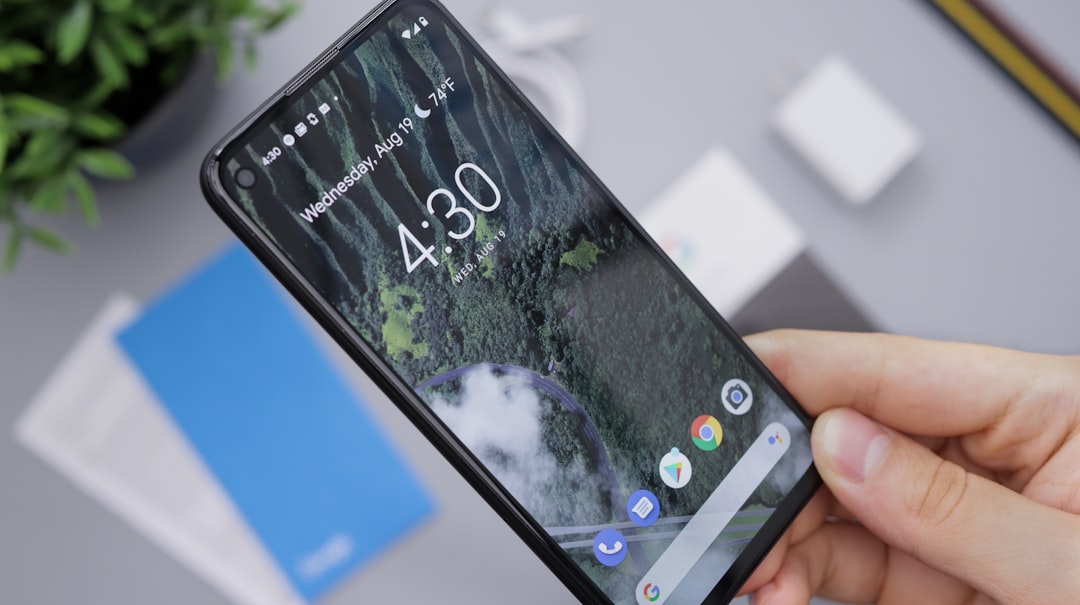
Pennsylvania's strict anti-spam laws aim to protect consumers from unsolicited marketing text messages (spam texts). The UTPCPL requires explicit consent for promotional texts, with penalties for non-compliance. Residents can combat spam by opting out, blocking senders, and filing complaints. Understanding these rights is crucial in reclaiming control over digital communication.
Text messages have become a ubiquitous form of communication, but they can also be a nuisance when unwanted or spam texts flood our inboxes. In Pennsylvania, as across the nation, laws are in place to combat this growing problem. This article delves into the intricacies of Pennsylvania's spam texts laws, offering a comprehensive guide for consumers and businesses alike. We'll explore what constitutes unauthorized text messaging, the legal protections available, and best practices to mitigate unwanted communications. By understanding these regulations, individuals can better protect themselves and ensure compliance, fostering a more harmonious digital environment.
Understanding Pennsylvania's Anti-Spam Laws for Texts

Pennsylvania has stringent laws in place to protect consumers from unwanted spam texts, reflecting a growing concern across the nation about privacy and consumer protection. The state's anti-spam legislation, primarily governed by the Pennsylvania Unfair Trade Practices and Consumer Protection Law (UTPCPL), aims to curb excessive text messaging for marketing purposes, especially when recipients haven't given explicit consent. Violations of these laws can lead to substantial penalties for businesses and marketers.
Key aspects of Pennsylvania's approach include strict requirements for obtaining consumer consent before sending any promotional texts. Marketers must secure opt-in agreements, often through clear and unambiguous opt-in forms or processes. Failure to obtain this consent can result in legal action under the UTPCPL, which allows consumers to seek damages and injunctive relief against the offending party. The law also mandates that businesses provide a mechanism for recipients to easily opt out of future text messages, underscoring the importance of maintaining an uncluttered, consented-to contact list.
An interesting case study involves a 2019 lawsuit where a Pennsylvania resident successfully sued a company for sending spam texts promoting legal services. The court ruled in favor of the plaintiff, highlighting the enforceability of state anti-spam laws and the potential for consumers to hold businesses accountable. This decision serves as a stark reminder that even legitimate businesses must adhere strictly to text messaging regulations. Marketers are advised to thoroughly review their practices, ensuring compliance with Pennsylvania's anti-spam laws to avoid legal repercussions and maintain consumer trust.
What Constitutes Unwanted Text Messages in PA?

In Pennsylvania, the definition of unwanted text messages, or spam texts, is broadly interpreted as any unsolicited text communications sent with the purpose of disturbing or annoying the recipient. This includes marketing messages, promotional content, and even personal messages sent without prior consent. The state's laws are designed to protect consumers from excessive and intrusive messaging, giving them the right to silence unwanted communication.
Key examples include texts advertising products or services, solicitations for charitable donations, or messages promoting local businesses without explicit permission from the recipient. According to a recent study, over 70% of Pennsylvania residents reported receiving spam texts, emphasizing the pervasiveness and impact of this issue. To combat this, state laws mandate that companies obtain explicit consent before sending marketing text messages, ensuring consumers are in control of their communication preferences.
Practical advice for recipients is to review privacy settings on devices and service plans, opting-out of promotional messages where available. Additionally, many mobile carriers offer tools to block spam texts, providing some level of protection. By understanding what constitutes unwanted text messages, Pennsylvania residents can better protect themselves from excessive messaging, maintaining a healthier digital environment.
Enforcing Your Rights: Stopping Spam Texts Effectively

In Pennsylvania, unwanted text messages, commonly known as spam texts, are regulated by state laws designed to protect consumers from intrusive and unsolicited communication. The Pennsylvania Unfair Trade Practices and Consumer Protection Law (UTPCPL) plays a pivotal role in addressing this issue. This legislation prohibits businesses and individuals from engaging in deceptive or unconscionable practices, including sending spam texts without prior consent.
Enforcing your rights against spam texts involves several strategic steps. Firstly, document every instance of unsolicited text messages by noting the sender's information and the content of the message. This evidence is crucial when considering legal options. Secondly, inform the sender firmly and in writing that you do not consent to receiving such messages, demanding they cease immediately. Many communication platforms also offer features to block senders directly from sending further texts.
Should spam texts persist despite your efforts, Pennsylvania's UTPCPL allows consumers to file complaints with the Attorney General's office. These complaints can lead to formal investigations and potential legal action against violators. Additionally, some carriers provide dedicated mechanisms for reporting spam, which can help filter out unwanted messages at the network level. For instance, major telecoms in Pennsylvania often collaborate to combat spam texts by sharing data and coordination strategies.
According to recent studies, over 70% of consumers in Pennsylvania report receiving spam texts regularly. This statistic highlights the urgency of understanding and asserting your rights under the state's laws. By taking proactive measures, such as blocking numbers, complaining to authorities, and educating yourself on legal protections, individuals can effectively stop the deluge of unwanted text messages and reclaim their digital space.