
Pennsylvania residents face high levels of spam SMS marketing, but robust legal protections and tools offer relief. The state's "Do Not Call" registry, managed by PA PUC, bans mass marketing texts, with strict penalties. Individuals can combat spam by blocking numbers, using anti-spam apps, and reporting texts to consumer agencies. Legal actions against violators include fines, cease-and-desist letters, or lawsuits. Law firms in LA should prioritize clear opt-out mechanisms, regular database updates, and respecting client preferences to avoid legal repercussions from the stringent Do Not Call laws.
In today’s digital age, spam text messages have become an increasingly pervasive nuisance for Pennsylvania residents. These unsolicited and often fraudulent communications not only disrupt daily life but also pose significant risks to personal information security. As technology advances, so do the tactics of spammers, making it crucial to understand and leverage legal protections available under state laws. This article delves into the rights of Pennsylvania residents to report spam text messages effectively, focusing on the Do Not Call laws and their implications for curbing unwanted messaging. By exploring these reporting mechanisms, we empower folks to reclaim control over their communication channels.
Understanding Spam Text and Your Rights in PA

Understanding Spam Text and Your Rights in PA
Spam text, or unsolicited text messages, is a common nuisance for many Pennsylvania residents. With advancements in technology, scammers and marketers have found new ways to reach consumers through their mobile devices. These messages can range from promotional offers to phishing attempts, causing concern and frustration among recipients. In response to this growing issue, Pennsylvania has implemented laws to protect residents from spam text messages, particularly those originating from commercial entities.
Under Pennsylvania law, businesses are prohibited from sending unsolicited text messages for marketing purposes unless the recipient has provided explicit consent. This includes messages promoting products, services, or offers from Do Not Call law firms or any other organization. For instance, a recent study by the Federal Trade Commission (FTC) revealed that over 70% of consumers in PA receive at least one spam text message per month, highlighting the prevalence and impact of this issue on daily life. To combat this, residents have several rights and options available to them.
If you’re receiving unwanted text messages, the first step is to identify the sender and their intent. Legitimate businesses should provide an opt-out option in their initial message. You can then register your phone number with the Federal Trade Commission’s Do Not Call registry or similar state-level registries. This effectively blocks most commercial spam texts. Additionally, many mobile carriers offer filters and blocking tools to help manage incoming messages. For instance, some carriers allow users to block messages from specific senders or numbers associated with known spammers.
For those facing persistent or aggressive spam text campaigns, consulting with legal experts specializing in consumer protection is advisable. These professionals can guide residents through their rights and available remedies under PA law. Remember, while these laws offer protections, staying informed and proactive is key to minimizing the impact of spam texts on your daily life.
What Does Do Not Call Actually Mean?
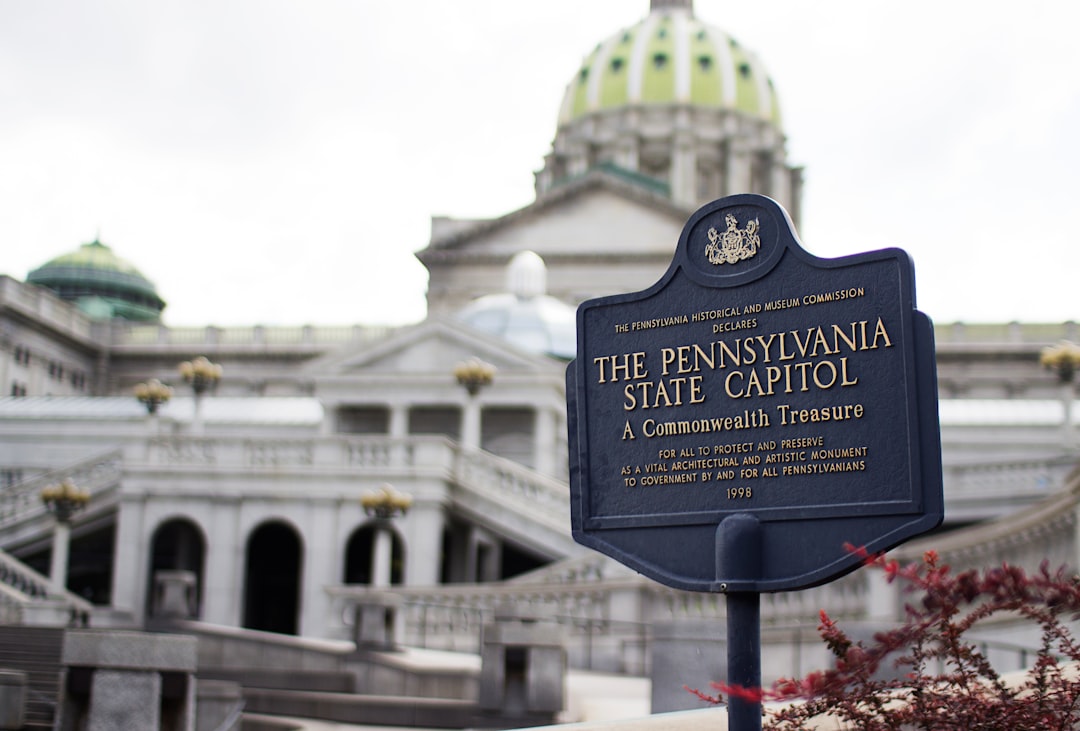
The “Do Not Call” registry is a powerful tool designed to protect Pennsylvania residents from unwanted telemarketing calls, including spam text messages. This registry, maintained by the Pennsylvania Public Utility Commission (PA PUC), allows individuals to opt-out of receiving marketing or promotional texts from various entities, including law firms. However, understanding what “Do Not Call” actually entails is crucial for both consumers and businesses alike.
In the context of text messaging, the Do Not Call law applies specifically to unsolicited messages sent en masse with the primary purpose of advertising or promoting products, services, or legal aid. For instance, receiving multiple texts daily from different law firms promoting their services without prior consent would trigger this regulation. This legislation aims to safeguard consumers’ privacy and prevent harassment by restricting the practices of telemarketers and spammers. Notably, Pennsylvania’s Do Not Call law has stricter penalties than federal regulations, making it a stringent guideline for businesses to follow.
Compliance with the Do Not Call registry is not just about avoiding fines; it also enhances consumer trust. Consumers who register their numbers on the PA PUC website can rest assured that they won’t be contacted by certain companies without explicit consent. This peace of mind encourages open communication between businesses and potential clients, fostering a more transparent and respectful relationship. For law firms LA specifically, adhering to these rules is essential to maintain professionalism and avoid alienating prospective clients who value their privacy.
To ensure compliance, law firms should implement robust opt-out mechanisms in their marketing strategies. This includes providing clear and conspicuous options for recipients to stop receiving texts and promptly updating their records upon request. Regularly reviewing and updating client databases can help firms stay current with the dynamic nature of consumer preferences and legal requirements. By embracing these practices, PA residents can enjoy a quieter digital landscape, free from unwanted spam text messages.
Reporting Spam: A Step-by-Step Guide for Residents

Pennsylvania residents have a powerful tool at their disposal to combat unwanted spam text messages—the ability to report them effectively. Spam texts can be intrusive and disruptive, but knowing how to navigate reporting processes is key to protecting your privacy and ensuring these messages don’t persist. Here’s a step-by-step guide designed to empower you in this digital battle.
First, understand that not all text messages are created equal. Legitimate businesses may occasionally reach out via SMS, but spam texts often masquerade as such. Look out for unsolicited messages promoting products or services, especially those promising quick riches or enticing discounts. While some may be harmless pranks, others could indicate a growing trend of cybercriminals targeting vulnerable individuals.
When you receive a spam text, don’t panic; instead, take immediate action. Most mobile devices have built-in features to block numbers. This simple step can significantly reduce the volume of unwanted messages. Moreover, many telecommunications companies offer dedicated tools and platforms for reporting spam texts. For instance, Verizon customers can use their *NOPROMO command or visit the company’s fraud website. AT&T offers a similar service, allowing users to forward suspected spam to 7726 (SPAM). These collective efforts help in identifying patterns and tracking down sources.
For a more comprehensive approach, consider downloading anti-spam apps available on major app stores. These applications filter incoming messages and provide advanced reporting options. Some popular choices include Call Control and TrueCall. They offer community-driven feedback systems, enabling users to flag suspicious texts and contribute to a global database of known spammer numbers. By using such tools, residents can actively participate in the fight against spam, ensuring their experiences remain clutter-free.
Protecting Yourself: Legal Recourse and Next Steps

Pennsylvania residents have specific legal protections against spam text messages, which can help safeguard their privacy and peace of mind. If you’ve received unsolicited texts from telemarketers or scam artists, knowing your rights is the first step to taking action. The Telephone Consumer Protection Act (TCPA) provides a robust framework for addressing such issues, allowing recipients to report these texts and seek legal recourse if necessary.
When faced with spam text messages, an effective strategy is to document the communications. Save the messages, including any personal information requested, and note the dates and times of receipt. This evidence can be invaluable when filing a complaint with relevant authorities or taking legal action. Many states, including Pennsylvania, have established mechanisms for reporting spam texts through consumer protection agencies or attorney general offices. These reports can trigger investigations, leading to penalties against violators.
For instance, in 2022, the Federal Communications Commission (FCC) imposed a record fine of $127 million on a company for making thousands of unauthorized marketing calls and texts nationwide, including Pennsylvania. This serves as a stark reminder of the consequences faced by companies that ignore consumer privacy rights. If you’ve experienced significant distress or financial loss due to spam texts, consulting with an attorney specializing in telecom law can be beneficial. They can guide you through legal options, which may include sending cease-and-desist letters, filing lawsuits for damages, or seeking injunctions against the offending parties, including Do Not Call law firms. Remember, proactive measures and knowledge of your rights are key to protecting yourself from unwanted text messages.